Critical care nurses occupy one of the most demanding and rewarding roles in the nursing field. They provide specialized care for patients experiencing life-threatening conditions in intensive care units (ICUs), cardiac care units, trauma ICUs, neonatal units, and other acute care settings. Their responsibilities require rapid clinical judgment, advanced technical skills, and the ability to provide consistent, high-quality care to critically ill patients.
In the United States, the demand for skilled critical care nurses has steadily increased due to the aging population, higher prevalence of chronic and acute illnesses, and expansion of high-acuity care settings. For nurses looking to validate their expertise, advance their careers, and enhance patient outcomes, the CCRN (Critical Care Registered Nurse) certification has become a key credential.
This article explains what CCRN certification is, the eligibility requirements, the pathway to certification, the exam structure, the benefits and challenges, and how to maintain certification for a long-term career in critical care nursing.
What is CCRN certification, and why does it matter?
The CCRN certification, offered by the American Association of Critical-Care Nurses (AACN), is a specialty credential that recognizes registered nurses (RNs) or advanced practice registered nurses (APRNs) who demonstrate advanced knowledge, judgment, and skills in caring for acutely and critically ill patients. The certification covers three patient populations: adult, pediatric, and neonatal.
CCRN certification matters because it:
- Validates Expertise: Confirms that a nurse possesses the advanced clinical judgment and knowledge required in high-acuity care settings.
- Enhances Professional Credibility: Demonstrates a nurse’s commitment to excellence and high standards in critical care nursing practice.
- Supports Patient Safety: Certified nurses are linked to improved patient outcomes due to their ability to provide evidence-based care.
- Promotes Career Growth: Opens doors to specialized roles, leadership positions, and competitive opportunities in acute and critical care units.
For nurses passionate about critical care, CCRN certification is not just a credential; it is a tangible measure of expertise and dedication to patient care.
Eligibility Requirements for Critical Care Nurse Certification
To pursue CCRN certification, candidates must meet specific licensure and clinical experience requirements outlined by the AACN. The main eligibility criteria are
1. Active Licensure
Candidates must hold a current, unrestricted RN or APRN license in the United States.
2. Clinical Practice Hours
There are two primary pathways to meet the required practice hours:
Two-Year Option:
- Minimum of 1,750 hours of direct care of acutely or critically ill patients over the most recent two years.
- At least 875 of these hours must have been accrued in the year immediately preceding the application.
Five-Year Option:
- Minimum of 2,000 hours of direct care over the past five years.
- At least 144 hours must have been accrued in the most recent year.
3. Eligible Care Settings
- Intensive care units (adult, pediatric, or neonatal)
- Cardiac care units
- Trauma units and emergency departments providing acute care.
- Progressive care units that meet AACN criteria
4. Indirect Care Pathways
Nurses in tele-critical care roles, educators, or managers who influence patient care without providing direct bedside care may qualify under alternative AACN pathways.
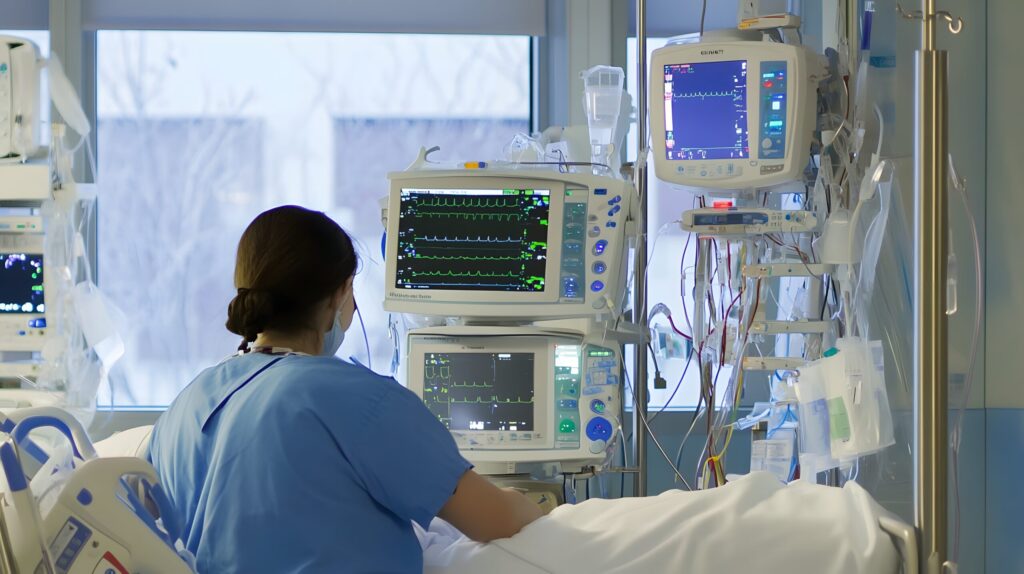
Direct Care Pathway to Become a CCRN
The most common route to CCRN certification is the direct care pathway. This involves hands-on experience providing care to acutely or critically ill patients in high-acuity settings. Nurses develop the knowledge and skills necessary to pass the CCRN exam and succeed in critical care nursing practice by:
- Managing complex patient conditions across multiple organ systems.
- Monitoring and interpreting advanced physiologic data and trends.
- Collaborating with physicians, respiratory therapists, pharmacists, and other team members to implement care plans.
- Supervising nurses or nursing students while actively engaging in direct patient care.
Experience in intensive care units, cardiac care units, trauma ICUs, and progressive care units equips nurses with the clinical judgment and confidence needed for both exam preparation and real-world practice.
The CCRN Exam: Structure, Content, and Preparation
The CCRN certification exam evaluates a nurse’s ability to apply critical thinking and clinical judgment in caring for acutely and critically ill patients.
Exam Structure:
- 150 multiple-choice questions (125 scored, 25 unscored for data collection)
- Three-hour computer-based format
- Offered for adult, pediatric, and neonatal populations
Content Areas:
- 80% of questions assess clinical judgment across cardiovascular, respiratory, neurological, gastrointestinal, renal, endocrine, and multisystem conditions.
- 20% focus on professional caring, ethical practice, patient advocacy, and interprofessional collaboration.
Passing Score:
A minimum of 83 correct responses out of 125 scored items is required for adult and pediatric exams.
Exam Preparation Tips:
- Study the AACN CCRN exam handbook and related review manuals.
- Use online practice exams and question banks to simulate test conditions.
- Create a study plan that balances work shifts with preparation, ideally spanning 8–12 weeks.
- Focus on system-based knowledge and clinical scenarios rather than memorization.
- Discuss challenging cases with certified colleagues or participate in CCRN review courses.
Consistent preparation not only improves the likelihood of passing the exam but also strengthens critical thinking skills for bedside practice.
Challenges in Achieving CCRN Certification and How to Overcome Them
1. Balancing Work and Study
ICU shifts can limit preparation time.
Solution: Schedule short, focused study sessions around shifts and maintain consistency.
2. Exam Anxiety
High-stakes exams can be stressful.
Solution: Use practice exams, review courses, and AACN study materials to build confidence and familiarity with the format.
3. Retaining Complex Knowledge
Multisystem content can be overwhelming.
Solution: Organize study by organ system, use spaced repetition, and discuss clinical scenarios with colleagues.
4. Maintaining Momentum
Fatigue from acute care work may slow preparation.
Solution: Join peer study groups, participate in structured review courses, and track progress regularly.
Maintaining Your CCRN Certification and Advancing Your Nursing Career
CCRN certification is valid for a period of three years. Renewal can be achieved by either:
- Retaking the CCRN exam, or
- Completing required continuing education recognition points (CERPs) and maintaining minimum clinical practice hours.
Maintaining certification ensures nurses remain current with evolving evidence-based practices, strengthening their ability to provide care to critically ill patients. CCRN-certified nurses are well-positioned for:
- Leadership roles in critical care units
- Specialization in cardiac, trauma, or neurocritical care
- Mentorship, education, and training roles within the nursing field
By pursuing CCRN certification, nurses demonstrate ongoing commitment to professional excellence, patient safety, and lifelong learning in acute and critical care nursing practice.
Conclusion
The CCRN certification represents a critical milestone for nurses committed to providing care to critically ill patients. It validates advanced knowledge, strengthens clinical judgment, enhances professional credibility, and opens doors to career growth. For nurses passionate about critical care, achieving CCRN certification is both a professional accomplishment and a meaningful investment in improving patient outcomes and advancing the nursing career.
Ready to Advance Your Nursing Career?
At Verovian Nursing Agency, we specialize in connecting passionate nurses with opportunities in critical care and acute care settings across the U.S. Whether you’re pursuing CCRN certification, seeking leadership roles, or exploring specialty units like ICU, cardiac, or trauma care, our expert team provides personalized guidance, mentorship, and placement support.
Take the next step in your nursing journey; partner with us to find the perfect role where your skills, certification, and dedication truly shine.