Domiciliary care, sometimes referred to as home care, is essential in helping individuals live independently in their own homes while receiving the support they need. For carers, these assignments provide rewarding opportunities to make a real difference in people’s lives while enjoying flexible work arrangements.
Whether you are new to domiciliary care or looking to broaden your experience, it is important to understand the different types of domiciliary care assignments, what each involves, and the skills required. This guide will help you navigate the options and find assignments that suit your abilities, interests, and career goals.
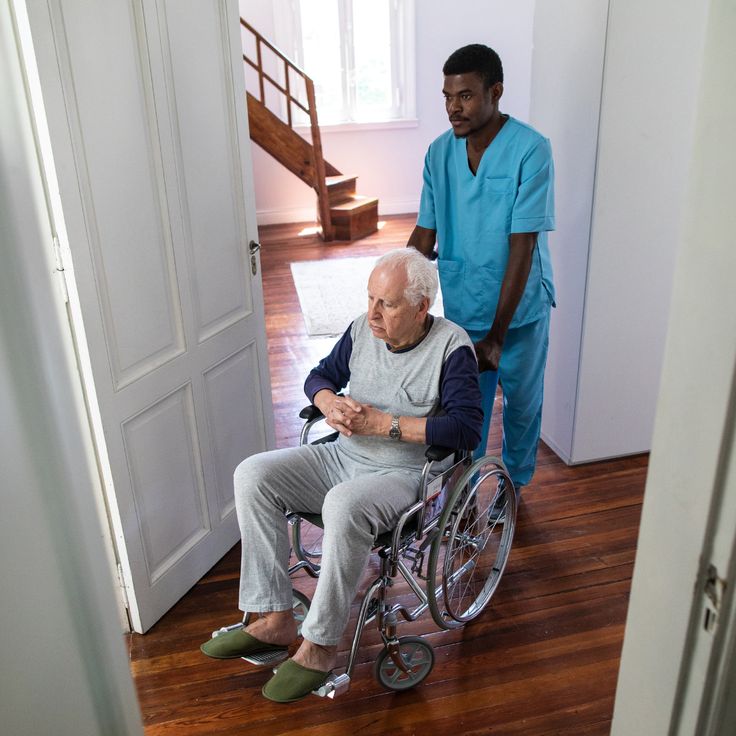
A domiciliary care assignment is a role where care is provided in the client’s home rather than in a residential or nursing setting. These assignments can vary widely depending on the client’s needs, the level of support required, and the length of time the care is needed.
For example, one client may only need a carer for an hour each morning to assist with personal care, while another may require a live-in carer to provide full-day support. The diversity of assignments allows carers to gain experience across different types of care, develop specialist skills, and enjoy flexible working patterns.
Hourly care involves visiting clients at scheduled times, often several times a day or week. Tasks typically include personal care, medication prompts, dressing, meal preparation, and companionship. This type of assignment suits caregivers looking for part-time or flexible work.
Live-in care requires staying in the client’s home to provide continuous support. Carers assist with personal care, household tasks, and general daily living support. Live-in care provides continuity for clients and the opportunity to build strong relationships.
Overnight care covers support during the night. This may involve sleep-in shifts or waking night shifts, depending on the client’s requirements. Overnight assignments are vital for clients who need reassurance or support while sleeping.
Respite care provides temporary support when a family carer needs a break. Assignments can last from a few days to several weeks, helping families maintain balance and well-being while ensuring continuity of care.
Specialist care includes supporting clients with specific needs, such as dementia care, palliative care, or complex medical conditions. These roles often require additional training but offer the opportunity to develop expertise in a particular area of care.
To provide safe, high-quality, and person-centred care, you need a combination of practical abilities and personal qualities. Key skills include:
Domiciliary care offers a unique and fulfilling career where you can make a real difference in people’s lives while enjoying flexibility, variety, and the chance to build meaningful relationships. By developing essential skills such as empathy, clear communication, adaptability, and respect for independence, you can provide high-quality, person-centred care and thrive in your role.
At Verovian Nursing Recruitment Agency, we specialise in connecting carers with domiciliary care assignments across the UK that match your skills, experience, and preferred working hours. Our dedicated team supports you at every step, from finding the right role to providing guidance and ongoing professional support. With Verovian Healthcare, you can access rewarding opportunities, develop your career, and make a meaningful impact in the communities you serve. Register with us today to discover your next fulfilling assignment.